
Exploring the world of garage fixes can be a daunting task, especially when it comes to finding the right mechanic. With Garage Fix Near Me: What to Ask Before Hiring a Mechanic as our guide, let's dive into the essential questions and considerations you need to make before entrusting your vehicle to a mechanic.
Researching Mechanics
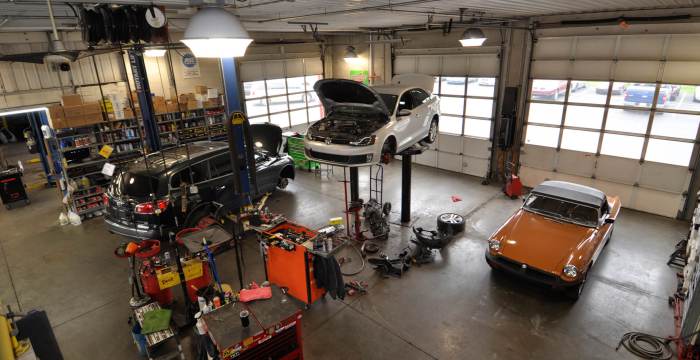
Starting your search for a reliable mechanic to fix your car can seem overwhelming, but following these tips can help you find the right one for your needs.
Local Mechanics
When researching mechanics near you, start by asking for recommendations from friends, family, or colleagues. They can provide valuable insights based on their own experiences with local garages.
- Check online directories or review websites to find a list of mechanics in your area.
- Look for mechanics who specialize in the type of repair your vehicle needs, whether it's engine work, brake repairs, or electrical issues.
- Visit the garages in person to get a feel for their professionalism and cleanliness.
Reputation Check
Before making a decision, it's crucial to check the reputation of the mechanic or garage you're considering. Reading reviews and checking ratings can give you insight into the quality of their work and customer service.
- Look for mechanics with positive reviews that highlight their expertise and reliability.
- Avoid mechanics with multiple negative reviews or complaints about their service.
- Check if the mechanic is certified by reputable organizations or has any special accreditations.
Qualifications and Certifications
When looking for a mechanic to work on your vehicle, it is crucial to consider their qualifications and certifications. These credentials are indicators of the mechanic's expertise and commitment to quality work.
ASE Certifications
ASE (Automotive Service Excellence) certifications are highly regarded in the automotive repair industry. Mechanics with ASE certifications have demonstrated their knowledge and skills by passing rigorous exams in specific areas of automotive repair. These certifications cover a wide range of specialties, including engine repair, brakes, suspension and steering, and more.
- ASE certifications ensure that the mechanic has up-to-date knowledge and skills in their field.
- Having ASE certifications shows a commitment to professionalism and quality workmanship.
- Customers can have confidence in the expertise of a mechanic with ASE certifications.
Services Offered
When looking for a mechanic to handle your car repairs, it's crucial to consider the range of services they offer. Different mechanics may specialize in various areas, so it's essential to choose one that can cater to your specific repair needs.
Common Garage Fix Services
- Oil changes
- Brake repairs
- Engine diagnostics
- Suspension repairs
- Transmission services
- Air conditioning repairs
Comparing Mechanics Based on Services
- Some mechanics may offer a wider range of services compared to others, providing one-stop solutions for all your car repair needs.
- Consider the expertise of the mechanic in handling specific types of repairs to ensure quality work and reliable service.
- Look for mechanics who are experienced in dealing with your car make and model, as they may have specialized knowledge that can benefit you.
Choosing a Mechanic for Your Repair Needs
- It's important to select a mechanic who can handle the specific repairs your car requires, whether it's routine maintenance or more complex issues.
- Ask about their experience with similar repairs and inquire about their approach to diagnosing and fixing the problem.
- Check if the mechanic uses quality parts and follows manufacturer guidelines for repairs to ensure the longevity and performance of your vehicle.
Pricing and Estimates
When looking to hire a mechanic for your garage repairs, it is crucial to inquire about pricing and estimates upfront to avoid any surprises later on. Understanding the cost structure and ensuring transparency in pricing are key factors in making an informed decision about which mechanic to choose.
Inquiring about Pricing and Estimates
Before committing to any repairs, make sure to ask the mechanic for a detailed breakdown of the costs involved. This should include not only the cost of parts but also the cost of labor and any additional fees. Request an estimate in writing to have a clear reference point.
- Ask for a written estimate: Having a written estimate helps prevent any misunderstandings later on and gives you a clear idea of what to expect in terms of costs.
- Be clear about what is included: Make sure to ask about any additional fees that might be added on top of the initial estimate, such as diagnostic fees or disposal fees.
- Understand the payment terms: Inquire about when payment is expected and what methods of payment are accepted to avoid any payment issues later on.
Understanding Different Cost Structures
Different mechanics may have varying cost structures, so it is essential to understand how they price their services. Some may charge a flat rate for specific services, while others may charge based on the hours worked. It is important to clarify this with the mechanic beforehand.
Be wary of significantly low prices, as they may indicate subpar parts or workmanship, leading to more significant issues down the line.
Importance of Transparency in Pricing
Transparency in pricing is crucial to avoid unexpected charges and ensure that you are not overcharged for any repairs. A reputable mechanic should be upfront about their pricing and provide a detailed breakdown of costs to build trust with their customers.
- Ask for explanations: If you are unsure about any charges on the estimate, do not hesitate to ask the mechanic for clarification. A trustworthy mechanic will be happy to explain the costs involved.
- Get multiple estimates: It is always a good idea to get estimates from multiple mechanics to compare prices and ensure that you are getting a fair deal.
Warranty and Guarantees
When it comes to auto repair, warranties and guarantees play a crucial role in ensuring the quality of service provided by a mechanic. These protections give customers peace of mind knowing that if something goes wrong after the repair, they have recourse to have it fixed without additional cost.
Importance of Warranties
Warranties are a testament to the confidence a mechanic has in their work. A reputable mechanic who stands by their service will offer warranties to assure customers that they will rectify any issues that may arise post-repair.
What to Look for in Warranties
- Duration: Check how long the warranty is valid for. A longer warranty period indicates the mechanic's commitment to quality.
- Scope: Understand what exactly the warranty covers. It should include both parts and labor.
- Transferability: It's beneficial if the warranty can be transferred to a new owner if you sell the vehicle.
Common Warranty Offerings
- Parts Warranty: A guarantee on the parts used in the repair, usually provided by the manufacturer of the parts.
- Labor Warranty: Ensures that if the repair was not executed correctly, the mechanic will redo the work at no extra cost.
- Lifetime Warranty: Some mechanics offer a lifetime warranty on specific repairs, showcasing their confidence in the durability of their work.
Communication and Updates
Establishing good communication with your mechanic is essential for a successful repair experience. Clear and consistent updates play a crucial role in keeping you informed and ensuring the repair process runs smoothly.
Importance of Regular Updates
Regular updates and progress reports from your mechanic are vital to understanding the status of your vehicle's repair. Here are some tips to help you maintain effective communication:
- Provide detailed information: When dropping off your vehicle, be sure to communicate any specific issues or concerns you have experienced. The more details you provide, the better equipped your mechanic will be to diagnose and address the problem.
- Ask for updates: Request regular updates on the progress of the repair. This will keep you informed and allow you to plan accordingly.
- Discuss communication preferences: Whether you prefer phone calls, text messages, or emails, make sure to establish your preferred method of communication with your mechanic.
- Be responsive: If your mechanic reaches out with questions or updates, be prompt in responding. This will help expedite the repair process.
Clear Communication for a Smoother Experience
Clear communication between you and your mechanic can lead to a smoother repair experience. By ensuring both parties are on the same page, you can avoid misunderstandings and delays. Here are some benefits of clear communication:
- Prevents miscommunication: Clear communication helps avoid any misunderstandings regarding the scope of work, timeline, or cost of repairs.
- Builds trust: Open and honest communication fosters trust between you and your mechanic, creating a positive working relationship.
- Allows for adjustments: If any unexpected issues arise during the repair process, clear communication enables you to discuss solutions and make necessary adjustments.
- Enhances customer satisfaction: When you are kept informed and involved in the repair process, you are more likely to be satisfied with the outcome.
Equipment and Technology
When it comes to choosing a mechanic for your garage fixes, it's essential to consider the equipment and technology they have at their disposal. Modern tools and technology can greatly impact the efficiency and quality of repairs, so it's crucial to select a mechanic who stays up-to-date with the latest advancements.
Modern Equipment and Technology
- Diagnostic Tools: Reputable mechanics should have access to advanced diagnostic tools that can quickly identify issues with your vehicle. These tools help pinpoint problems accurately, leading to faster and more precise repairs.
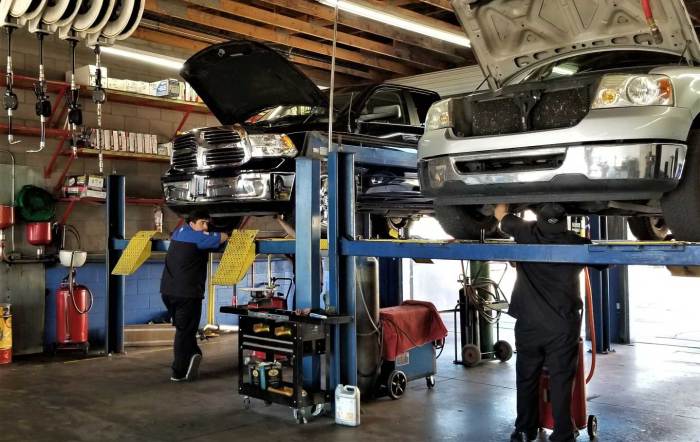
- Lifts and Hoists: A well-equipped garage should have lifts and hoists to make it easier to access different parts of the vehicle for repairs. This equipment ensures that mechanics can work efficiently and safely under the vehicle.
- Computerized Systems: Mechanics who use computerized systems for tasks like engine tuning, alignment, and calibration can provide more precise and reliable repairs. These systems help optimize vehicle performance and ensure that repairs are done correctly.
- OBD Scanners: On-Board Diagnostic (OBD) scanners are essential tools for diagnosing issues with modern vehicles. Mechanics who use these scanners can quickly read error codes and identify problems, saving time and ensuring accurate repairs.
Final Wrap-Up
As we conclude our journey through the realm of garage fixes and mechanic hiring, remember that knowledge is power. By asking the right questions and being informed, you can ensure a smooth and satisfactory experience with your chosen mechanic.
Commonly Asked Questions
What should I consider when researching local mechanics?
When researching local mechanics, it's important to check for reviews, ask for recommendations from friends or family, and inquire about their experience with your specific vehicle make and model.
How can I determine if a mechanic is qualified?
A mechanic's qualifications can be verified by checking for certifications such as ASE (Automotive Service Excellence) and ensuring they have experience working on vehicles similar to yours.
What services should I expect from a mechanic?
Common garage fix services include brake repairs, oil changes, tire rotations, and engine diagnostics. Ensure the mechanic offers the specific services your vehicle needs.









![How To Repair Car Hail Damage? [Easy Ways With Steps]](https://vehicle.infogarut.id/wp-content/uploads/2025/11/7496bef49d9c9080663199225093865c-120x86.jpg)