
Exploring the critical aspects of regular commercial vehicle maintenance, this topic delves into the importance of upkeep for optimal performance and safety. From preventing costly repairs to enhancing overall efficiency, the impact of maintenance is far-reaching in the realm of commercial vehicles.
Importance of Regular Commercial Vehicle Maintenance
Regular maintenance is crucial for commercial vehicles as it ensures optimal performance and safety on the road. Neglecting maintenance can have a significant impact on the vehicle's overall performance and safety, leading to potential breakdowns, accidents, and costly repairs in the long run.
By performing regular maintenance, commercial vehicle owners can prevent these issues and keep their vehicles in top condition.
Preventing Costly Repairs
Regular maintenance such as oil changes, tire rotations, brake inspections, and fluid checks can help identify potential issues early on before they escalate into major problems. By addressing these issues promptly, commercial vehicle owners can prevent costly repairs down the line.
For example, replacing worn brake pads during a routine inspection can prevent brake failure and the need for more extensive repairs.
Components of Regular Maintenance
Regular maintenance of commercial vehicles is essential to ensure their safe and efficient operation. This involves checking various components to identify any issues early on and prevent costly breakdowns or accidents.
Checking Fluid Levels and Regular Oil Changes
- Fluid levels, including oil, coolant, brake fluid, and transmission fluid, should be regularly checked and topped up as needed. Proper lubrication and cooling are crucial for the smooth functioning of the engine and other components.
- Regular oil changes are essential to keep the engine clean and well-lubricated. Dirty or old oil can cause engine wear and reduce fuel efficiency, leading to costly repairs.
Inspecting Brakes, Tires, Lights, and Other Essential Parts
- Brakes should be inspected regularly to ensure they are in good working condition. Worn brake pads or faulty brake systems can compromise the vehicle's ability to stop safely.
- Tires should be checked for proper inflation, tread wear, and damage. Well-maintained tires improve fuel efficiency, traction, and overall safety on the road.
- Lights, including headlights, taillights, brake lights, and turn signals, should be inspected to ensure they are functioning correctly. Proper lighting is crucial for visibility and safety, especially in low-light conditions.
- Other essential parts, such as belts, hoses, filters, and suspension components, should be inspected regularly to prevent unexpected failures and ensure the vehicle's reliability.
Benefits of Regular Maintenance
Regular maintenance is essential for commercial vehicles as it offers a wide range of benefits that can positively impact their performance, longevity, and overall safety on the road.
Extended Vehicle Lifespan
Proper and regular maintenance can significantly extend the lifespan of commercial vehicles. By addressing issues promptly and conducting routine inspections, potential problems can be identified and resolved before they escalate into major, costly repairs. This proactive approach helps to keep the vehicle in optimal condition, ultimately prolonging its lifespan.
Improved Fuel Efficiency and Performance
Regular maintenance plays a crucial role in enhancing fuel efficiency and overall performance of commercial vehicles. Simple tasks like keeping tires properly inflated, changing air filters, and maintaining engine components can lead to improved fuel economy. Additionally, a well-maintained vehicle is likely to operate more smoothly and efficiently, delivering better performance on the road.
Enhanced Safety for Drivers and Road Users
Maintenance is paramount for ensuring the safety of drivers and other road users. Faulty brakes, worn-out tires, or malfunctioning lights can pose serious safety hazards. Regular maintenance helps to address these issues promptly, reducing the risk of accidents and ensuring that the vehicle operates safely on the road.
By keeping all components in optimal condition, maintenance enhances overall safety for everyone on the road.
Cost Savings from Regular Maintenance
Investing in regular maintenance for commercial vehicles can lead to significant cost savings in the long term. By staying proactive and conducting preventive maintenance, businesses can reduce the risk of unexpected breakdowns and costly repairs that can disrupt operations and increase expenses.
Preventive Maintenance Reduces Risk of Breakdowns
- Regularly scheduled oil changes can prevent engine wear and prolong the life of vital components, avoiding expensive repairs down the line.
- Checking and maintaining tire pressure can improve fuel efficiency, reduce tire wear, and prevent blowouts that can lead to accidents and costly downtime.
- Inspecting and replacing worn brake pads and other braking components can prevent brake failure, ensuring the safety of drivers and reducing the risk of accidents and associated costs.
Cost-Effective Maintenance Practices
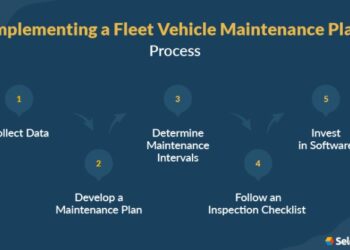
- Implementing a fleet maintenance schedule to track and address routine maintenance tasks can help businesses stay organized and prevent oversights that may lead to costly repairs.
- Training drivers and staff on basic maintenance tasks like checking fluid levels, inspecting belts and hoses, and monitoring vehicle performance can catch issues early and prevent major breakdowns.
- Utilizing technology such as telematics systems to monitor vehicle health in real-time can provide valuable data for predictive maintenance, helping businesses address issues before they escalate and result in costly repairs.
Final Summary
In conclusion, prioritizing regular maintenance for commercial vehicles is not just about saving money but also ensuring the safety of drivers and other road users. By investing in preventive measures and timely inspections, businesses can prolong the lifespan of their vehicles while reaping the benefits of improved performance and reduced downtime.
Clarifying Questions
Why is regular maintenance crucial for commercial vehicles?
Regular maintenance is crucial as it helps ensure optimal performance, safety, and longevity of commercial vehicles.
What are some key components of commercial vehicle maintenance?
Key components include checking fluid levels, regular oil changes, inspecting brakes, tires, lights, and other essential parts.
How does regular maintenance contribute to extended vehicle lifespan?
Regular maintenance helps identify potential issues early, allowing for timely repairs and preventing major breakdowns that could shorten the vehicle's lifespan.
Can regular maintenance save money in the long term?
Yes, investing in regular maintenance can lead to cost savings by reducing the risk of unexpected breakdowns and expensive repairs.








![How To Repair Car Hail Damage? [Easy Ways With Steps]](https://vehicle.infogarut.id/wp-content/uploads/2025/11/7496bef49d9c9080663199225093865c-120x86.jpg)