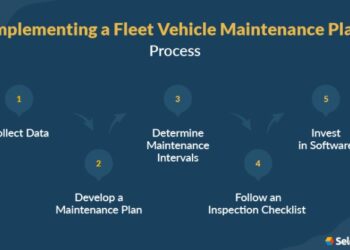

How to Maintain Fleet Vehicles for Maximum Efficiency sets the stage for this enthralling narrative, offering readers a glimpse into a story that is rich in detail and brimming with originality from the outset.
Regular maintenance of fleet vehicles is not just a task; it's a crucial aspect that ensures optimal efficiency and performance. This guide delves into the intricacies of maintaining fleet vehicles to help you navigate the road to success.
Importance of Fleet Vehicle Maintenance
Regular maintenance is crucial for fleet vehicles to ensure they remain in optimal working condition. By staying on top of maintenance schedules, fleet managers can prevent costly breakdowns and repairs, ultimately contributing to maximum efficiency in vehicle operations.
Prevention of Breakdowns
- Regular maintenance such as oil changes, tire rotations, and fluid checks can help identify potential issues before they escalate into major problems, preventing unexpected breakdowns that can disrupt operations.
- Failure to conduct regular maintenance can lead to mechanical failures, leaving vehicles stranded on the road and causing delays in deliveries or services, impacting overall efficiency.
Extended Vehicle Lifespan
- Proper maintenance not only keeps fleet vehicles running smoothly but also extends their lifespan. By addressing minor issues early on, managers can prevent premature wear and tear, ensuring vehicles remain in service for longer periods.
- Neglecting maintenance tasks like replacing worn-out parts or addressing warning lights can result in accelerated vehicle deterioration, leading to the need for early replacements and increased costs.
Cost Savings
- Regular maintenance may require upfront costs, but it is a cost-effective approach in the long run. By investing in preventive maintenance, fleet managers can avoid expensive repairs and replacements, saving money and maintaining budget predictability.
- Ignoring maintenance schedules can result in higher repair bills, decreased fuel efficiency, and reduced productivity, ultimately impacting the bottom line of the fleet operations.
Creating a Maintenance Schedule
Establishing a maintenance schedule is crucial for keeping fleet vehicles running smoothly and efficiently. By following a comprehensive schedule, you can prevent breakdowns, extend the lifespan of your vehicles, and save on costly repairs.
Key Components to Include
- Oil Changes: Regular oil changes are essential to keep the engine properly lubricated. This should typically be done every 5,000 to 7,500 miles, depending on the vehicle and type of oil used.
- Tire Rotation and Alignment: Rotating tires and ensuring proper alignment helps to prevent uneven wear and improve fuel efficiency. This should be done every 6,000 to 8,000 miles.
- Brake Inspections: Checking the brakes regularly can prevent accidents and costly repairs. Inspections should be done every 20,000 to 30,000 miles.
- Fluid Checks: Regularly checking and topping off fluids such as coolant, transmission fluid, and brake fluid is important for optimal vehicle performance. This should be done every 3,000 to 5,000 miles.
- Filter Replacements: Air filters, oil filters, and fuel filters should be replaced according to the manufacturer's recommendations to ensure clean air and fuel flow to the engine.
Frequency of Maintenance Tasks
- Weekly: Check tire pressure, fluid levels, and lights.
- Monthly: Inspect belts, hoses, and battery. Check for leaks and unusual noises.
- Every 3 Months: Rotate tires, change oil, and perform a general inspection.
- Every 6 Months: Replace filters, inspect brakes, and check alignment.
- Annually: Conduct a comprehensive inspection, including checking the suspension and exhaust system.
Routine Inspections and Checks
Regular inspections are crucial for maintaining fleet vehicles in optimal condition. These routine checks help identify potential issues early on, preventing costly breakdowns and ensuring the safety of drivers and passengers. By conducting regular inspections, fleet managers can also improve fuel efficiency and extend the lifespan of their vehicles.
What to Look for During Routine Checks
During routine inspections, it is essential to pay attention to various components of the fleet vehicles. Some key areas to focus on include:
- Tire condition and pressure
- Fluid levels (oil, coolant, brake fluid, etc.)
- Brake system (pads, rotors, brake lines)
- Lights (headlights, taillights, turn signals)
- Belts and hoses
- Suspension and steering components
- Battery health and connections
- Exhaust system
Checklist of Items to Inspect During Each Check
- Inspect tire tread depth and look for signs of wear or damage.
- Check fluid levels and top up if necessary.
- Inspect brake pads and rotors for wear and tear.
- Test all lights to ensure they are working correctly.
- Inspect belts and hoses for cracks or leaks.
- Check suspension components for signs of damage or wear.
- Test the battery and clean any corrosion on the terminals.
- Inspect the exhaust system for leaks or damage.
Fluid Maintenance
Proper fluid maintenance is crucial for ensuring the optimal performance and longevity of fleet vehicles. Neglecting to maintain essential fluids can lead to costly repairs, decreased fuel efficiency, and even safety hazards on the road.
Types of Fluids Requiring Regular Checking and Replacing
- Engine Oil: Engine oil lubricates the engine components, reduces friction, and helps dissipate heat. Regular oil changes are necessary to prevent engine wear and damage.
- Coolant: Coolant regulates the engine temperature and prevents it from overheating. It is essential to check coolant levels and quality regularly to avoid engine overheating.
- Transmission Fluid: Transmission fluid lubricates the transmission system and ensures smooth gear shifts. Neglecting transmission fluid maintenance can lead to transmission failure.
- Brake Fluid: Brake fluid transfers the force from the brake pedal to the braking system. Contaminated or low brake fluid can compromise braking performance and safety.
- Power Steering Fluid: Power steering fluid helps in easy steering wheel movement. Low or contaminated power steering fluid can lead to steering issues and safety concerns.
Impact of Neglecting Fluid Maintenance on Vehicle Efficiency
Improper fluid maintenance can have detrimental effects on vehicle efficiency and performance. For instance, low engine oil levels can cause increased friction and engine wear, leading to decreased fuel efficiency. Contaminated or low transmission fluid can result in rough gear shifts and transmission slippage, affecting overall vehicle performance.
Neglected brake fluid can compromise braking effectiveness, posing a safety risk for drivers and passengers. Regularly checking and replacing fluids is essential to maintain fleet vehicles' efficiency and prolong their lifespan.
Tire Care and Management
Proper tire care and management are essential for maintaining fleet vehicles in top condition. Neglecting tire maintenance can lead to decreased fuel efficiency, poor performance, and safety risks. In this section, we will discuss best practices for maintaining fleet vehicle tires, the importance of proper tire pressure and tread depth, and how tire maintenance directly impacts fuel efficiency and overall performance.
Importance of Proper Tire Pressure
- Check tire pressure regularly to ensure they are inflated to the manufacturer's recommended levels.
- Proper tire pressure helps optimize fuel efficiency and ensures even tire wear.
- Underinflated tires can lead to increased rolling resistance, resulting in higher fuel consumption.
- Overinflated tires can cause uneven wear, reducing the lifespan of the tires.
Importance of Adequate Tread Depth
- Monitor tread depth regularly to ensure it meets the legal requirements and provides sufficient traction.
- Adequate tread depth improves braking performance and handling, especially in wet or slippery conditions.
- Worn-out tires with low tread depth are more prone to punctures and blowouts, posing safety risks.
Impact on Fuel Efficiency and Performance
- Properly inflated tires reduce rolling resistance, improving fuel efficiency and reducing carbon emissions.
- Optimal tread depth enhances traction and grip, leading to better handling and stability on the road.
- Regular tire maintenance can extend the lifespan of tires, saving costs on replacements and improving overall vehicle performance.
Driver Training and Vehicle Handling
Proper driver training and vehicle handling play a crucial role in maintaining fleet vehicles and ensuring their longevity and efficiency. By equipping drivers with the necessary skills and knowledge, fleet managers can significantly reduce the risk of damage and breakdowns, ultimately saving time and money.
Importance of Driver Training
- Driver training helps to improve safety on the road, reducing the likelihood of accidents and damage to vehicles.
- Well-trained drivers are more likely to adhere to maintenance schedules and report any issues promptly, preventing small problems from escalating into costly repairs.
- Proper training can also lead to better fuel efficiency and reduced wear and tear on the vehicles, extending their overall lifespan.
Optimizing Vehicle Efficiency through Driving Habits
- Encourage drivers to avoid aggressive driving behaviors such as rapid acceleration and hard braking, as these can increase fuel consumption and put unnecessary strain on the vehicle.
- Remind drivers to observe speed limits and maintain a safe following distance to prevent accidents and reduce wear on the brakes and tires.
- Schedule regular refresher courses or training sessions to keep drivers updated on best practices for vehicle maintenance and safe driving habits.
End of Discussion
In conclusion, maintaining fleet vehicles for maximum efficiency is a multifaceted endeavor that requires dedication and attention to detail. By following the guidelines Artikeld in this comprehensive discussion, you can ensure that your fleet operates at its peak performance levels, leading to increased productivity and cost savings.
Frequently Asked Questions
Why is regular maintenance essential for fleet vehicles?
Regular maintenance ensures that fleet vehicles operate efficiently, reducing the risk of unexpected breakdowns and costly repairs.
How can driver training impact the maintenance of fleet vehicles?
Proper driver training can lead to better vehicle handling, reducing wear and tear on fleet vehicles and extending their lifespan.









![How To Repair Car Hail Damage? [Easy Ways With Steps]](https://vehicle.infogarut.id/wp-content/uploads/2025/11/7496bef49d9c9080663199225093865c-120x86.jpg)